
Reference Library
Colonial America
Showing 1–4 of 4 articles
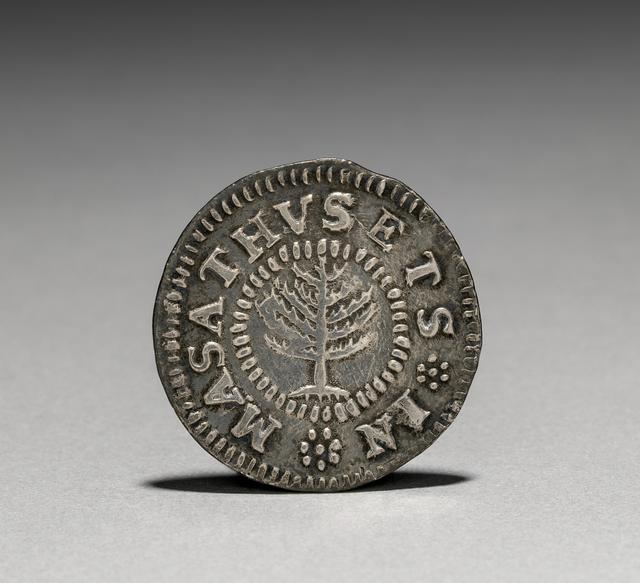 OBV
OBV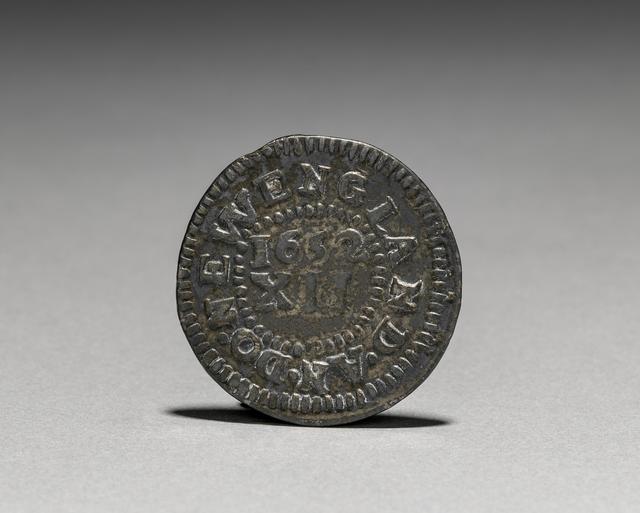 REV
REVMassachusetts Bay Silver Shillings (1652–1682)
Authorized by the General Court of Massachusetts Bay in 1652 without a royal charter, the Massachusetts silver shillings represent the earliest civic coinage struck in English North America. Operating as a private concession under contracted mintmasters John Hull and Robert Sanderson, the Boston mint struck silver shillings, sixpences, and threepences across four major design types - NE, Willow Tree, Oak Tree, and Pine Tree - bearing the frozen date 1652 until production ceased around 1682.
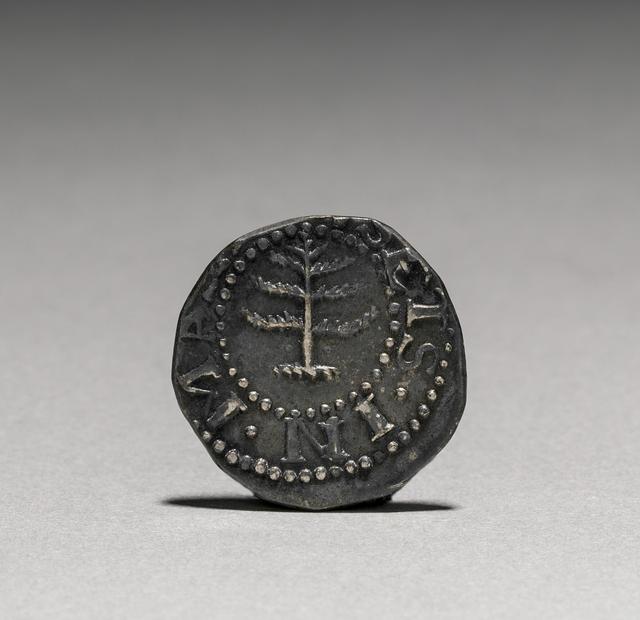 OBV
OBV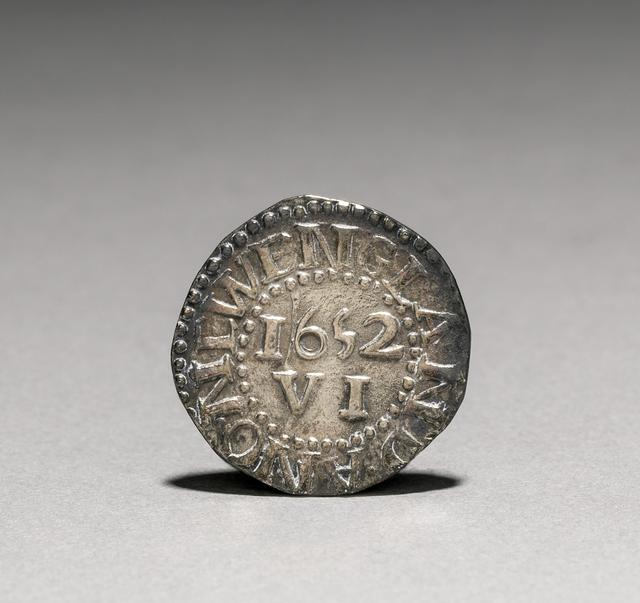 REV
REVMassachusetts Bay Colony Silver Sixpence (Pine Tree Coinage)
Authorized by the Massachusetts General Court and struck under mintmasters John Hull and Robert Sanderson, the Pine Tree sixpence provided standardized silver currency for colonial New England while bearing a frozen authorization date of 1652 to assert Interregnum origins.
 OBV
OBV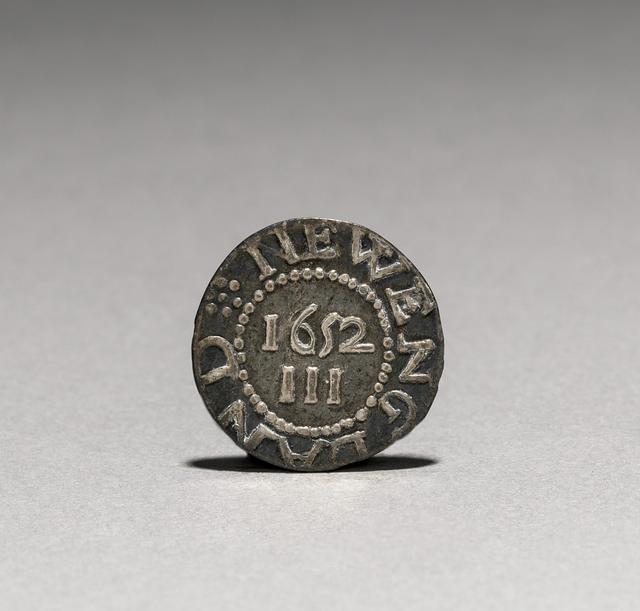 REV
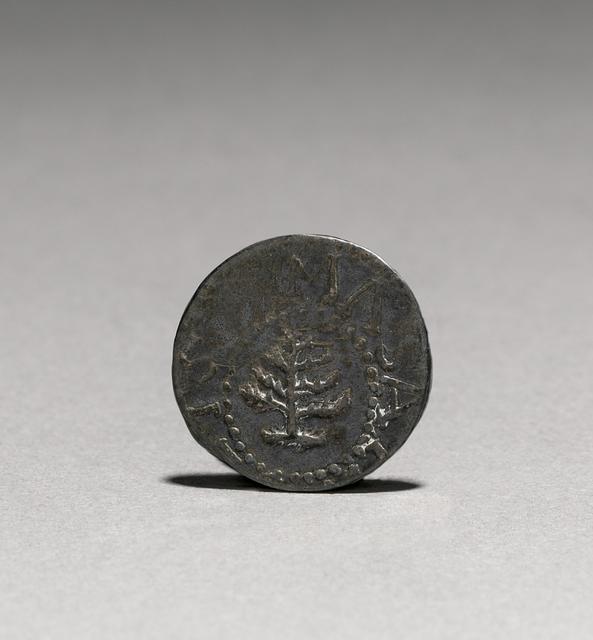
REVMassachusetts Bay, Silver Threepence, Colonial America
An authoritative numismatic examination of the Massachusetts Bay Pine Tree silver threepence, examining the civic context of the Boston mint, statutory metrology, iconography, epigraphic standards, and catalog typology.
 OBV
OBV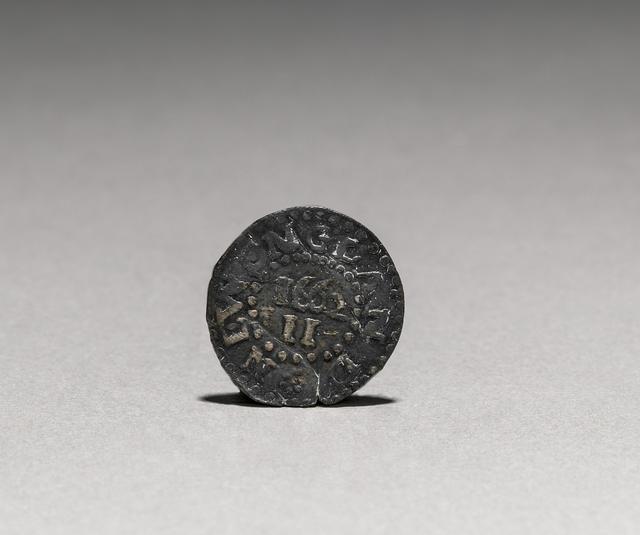 REV
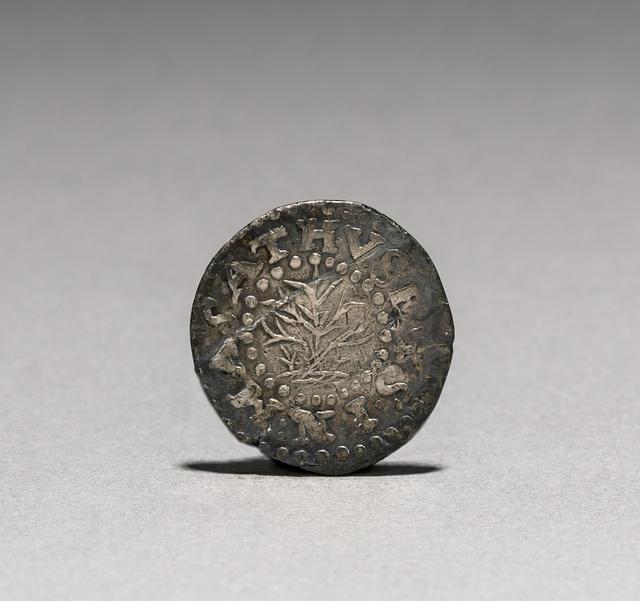
REVMassachusetts Bay Colony, Oak Tree Silver Twopence (1662)
Authorized by the Massachusetts General Court in May 1662 to relieve an acute shortage of small change, the Oak Tree twopence represents the only denomination among the Massachusetts tree coinages to depart from the frozen legislative year 1652. Produced under mintmasters John Hull and Robert Sanderson from a single known die pair, the issue illustrates both the legal tensions between colonial self-governance and royal prerogative and the mechanical realities of early American minting.