
Reference Library
Iron Age Britain
Showing 1–6 of 8 articles
 OBV
OBV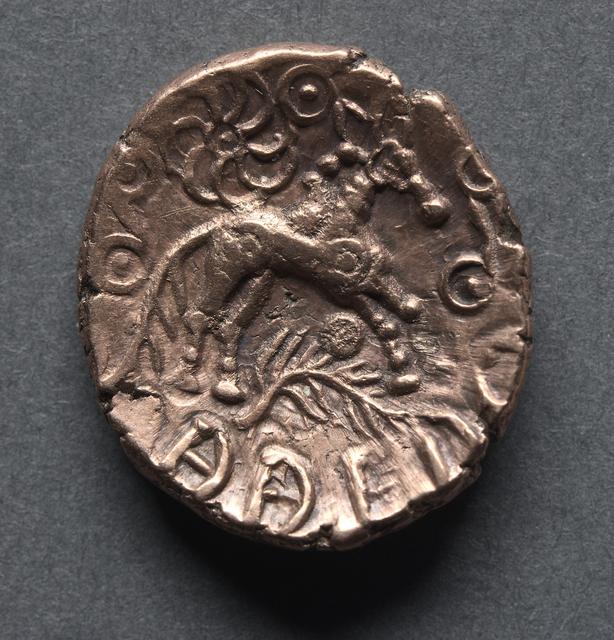 REV
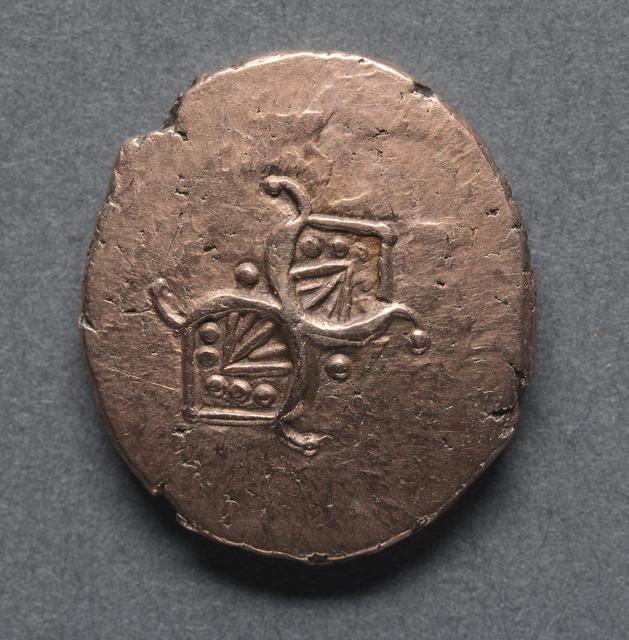
REVGold Stater of Addedomaros: North Thames Iron Age Coinage
Struck in the late first century BCE across the North Thames region of Britain, the gold staters of Addedomaros represent one of the earliest regional transitions from uninscribed Celtic abstract designs to inscribed dynastic currency. The series features stylized equine iconography, celestial motifs, and Celtic names written using Latin and adapted letterforms such as the tau Gallicum.
 OBV
OBV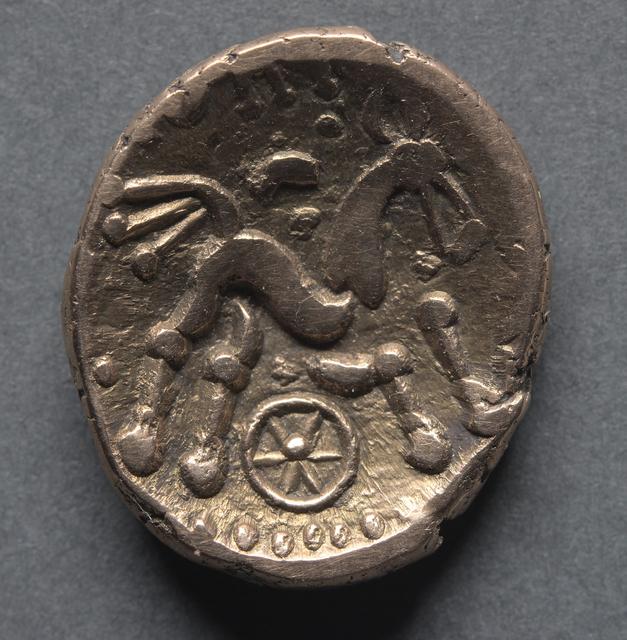 REV
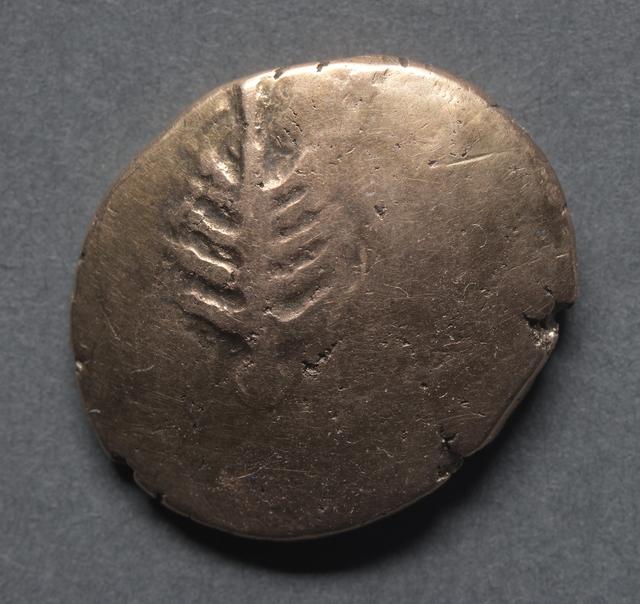
REVCatti Gold Stater: Inscribed Coinage of the Dobunni
An authoritative examination of the Late Iron Age gold stater inscribed CATTI, reviewing Dobunnic typological lineages, metallurgical debasement, epigraphic evidence, and chronological debates surrounding Western British tribal leadership.
 OBV
OBV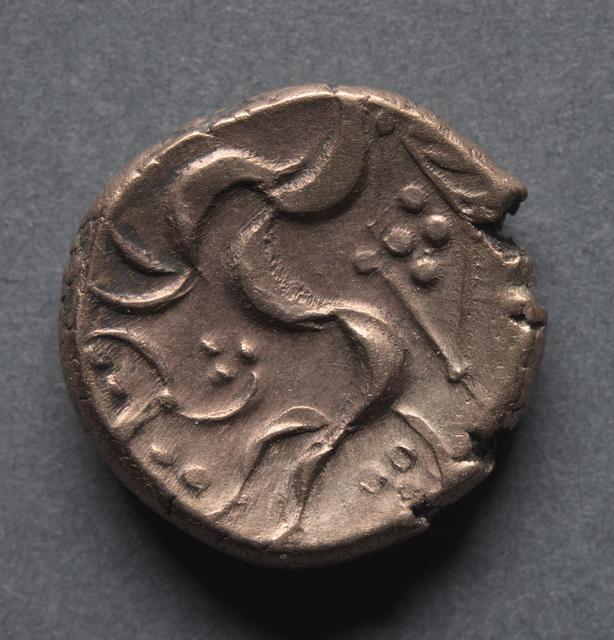 REV
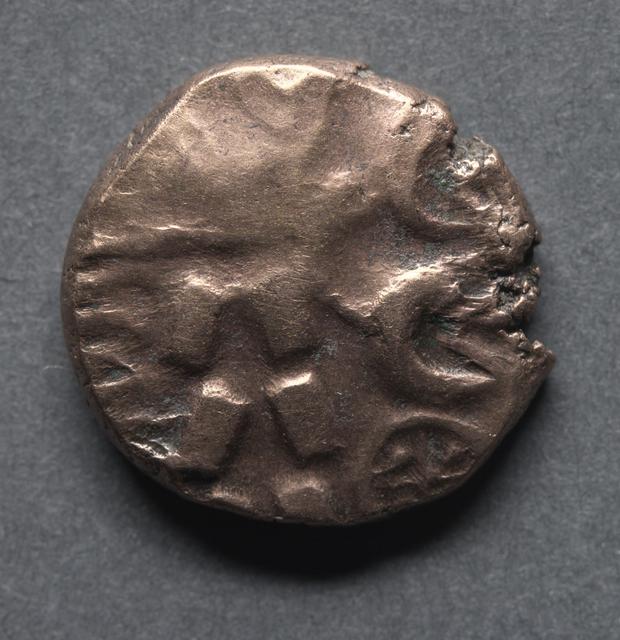
REVCorieltauvi Uninscribed Gold Stater: The Iron Age 'Kite' Series
An authoritative numismatic analysis of the Late Iron Age uninscribed gold stater of the Corieltauvi, commonly termed the 'Kite' type (ABC 1761 / VA 825). The article explores the polity's historical geography, stylistic devolution from Macedonian gold prototypes, diagnostic obverse and reverse iconography, documented typological variants, and persistent chronological debates.
 OBV
OBV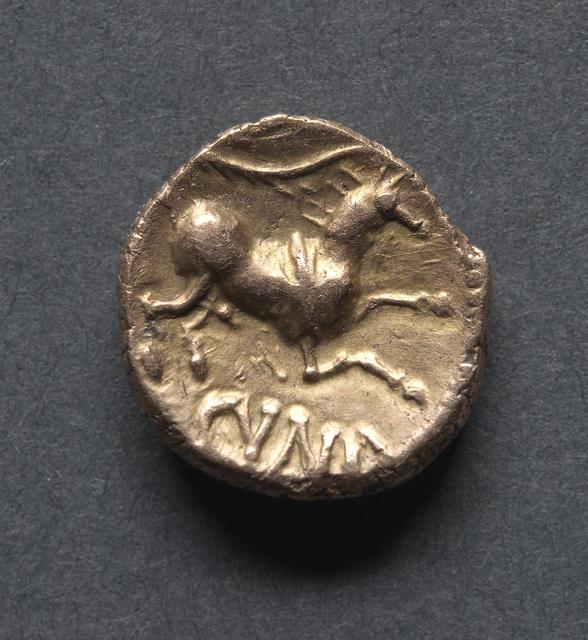 REV
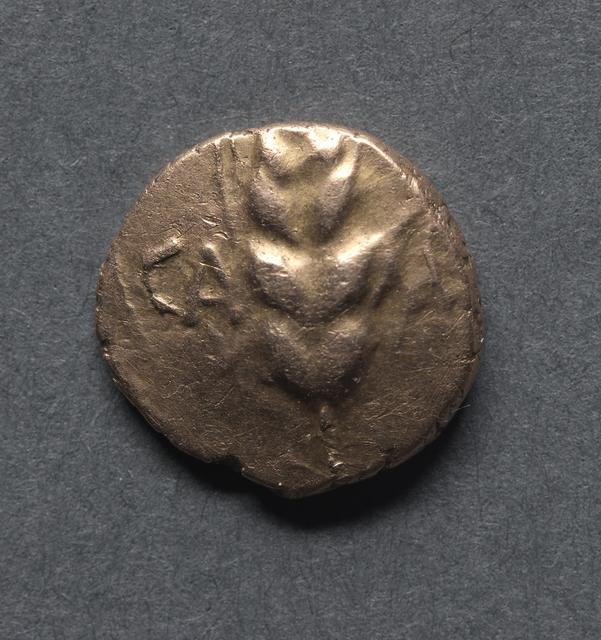
REVCunobeline Gold Quarter Stater: Iron Age Coinage of Camulodunum
An authoritative examination of the gold quarter staters struck under Cunobeline in Late Iron Age Britain, analyzing their epigraphy, iconography, typology, and production context at Camulodunum.
 OBV
OBV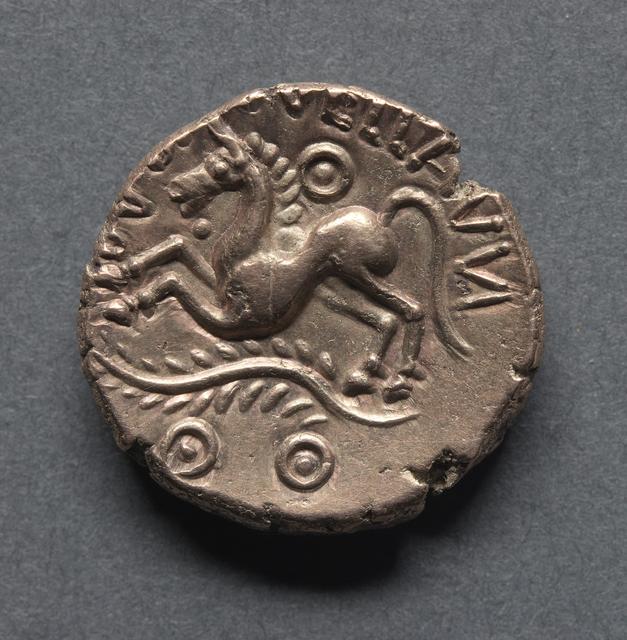 REV
REVGold Staters of Dubnovellaunos: The North Thames 'Branch' Series
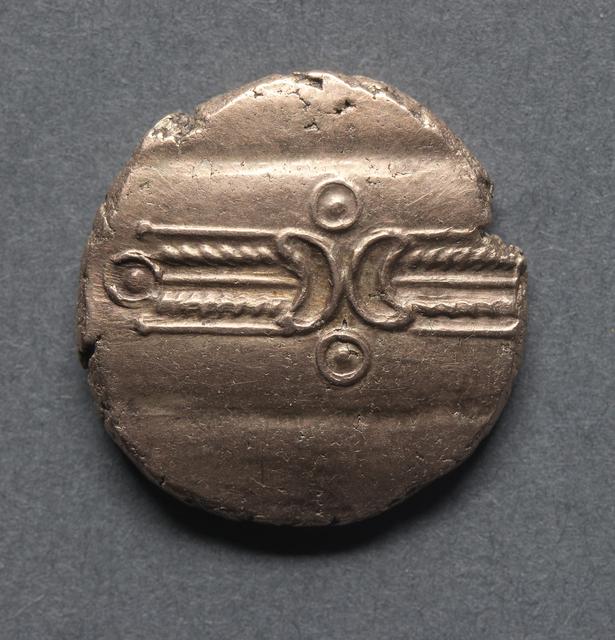
An in-depth numismatic review of the Iron Age British gold stater issued under Dubnovellaunos in the North Thames region, examining its Macedonian-derived abstract wreath obverse, equine reverse iconography, epigraphic variations, and dynastic context.
 OBV
OBV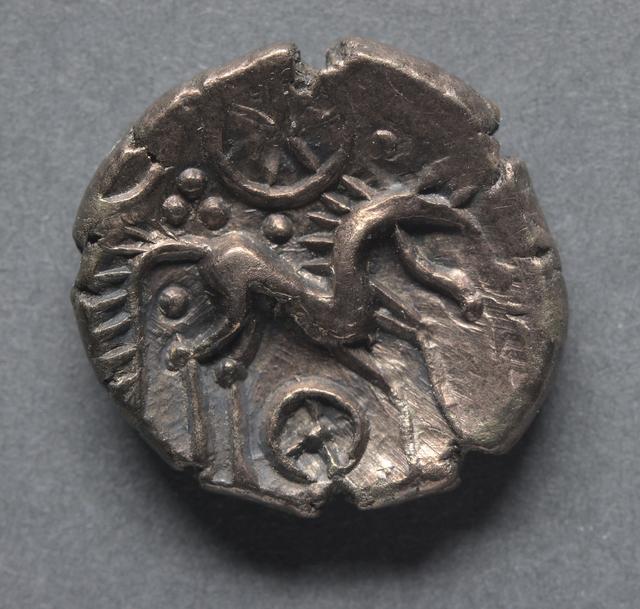 REV
REVIceni Uninscribed Gold Staters: The Freckenham Flower and Two Wheels Series
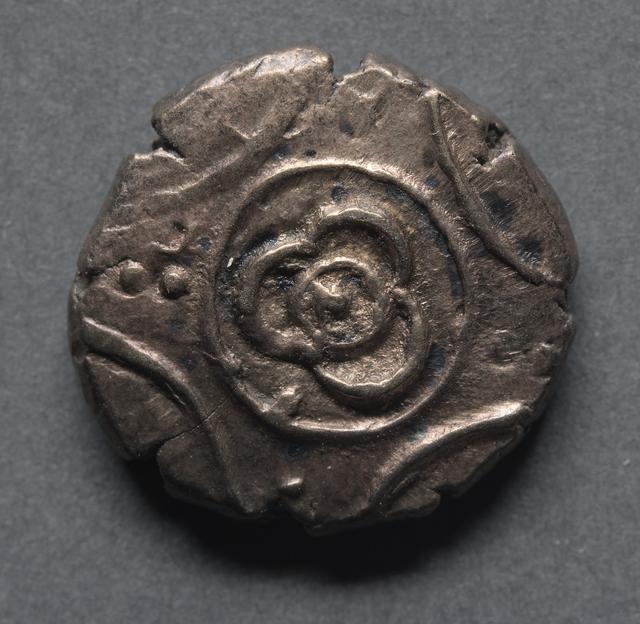
An authoritative numismatic analysis of the Iron Age gold staters of the Iceni, focusing on the uninscribed Freckenham Flower and Two Wheels series of East Anglia, including typology, iconography, metallurgy, and chronological revisions.